
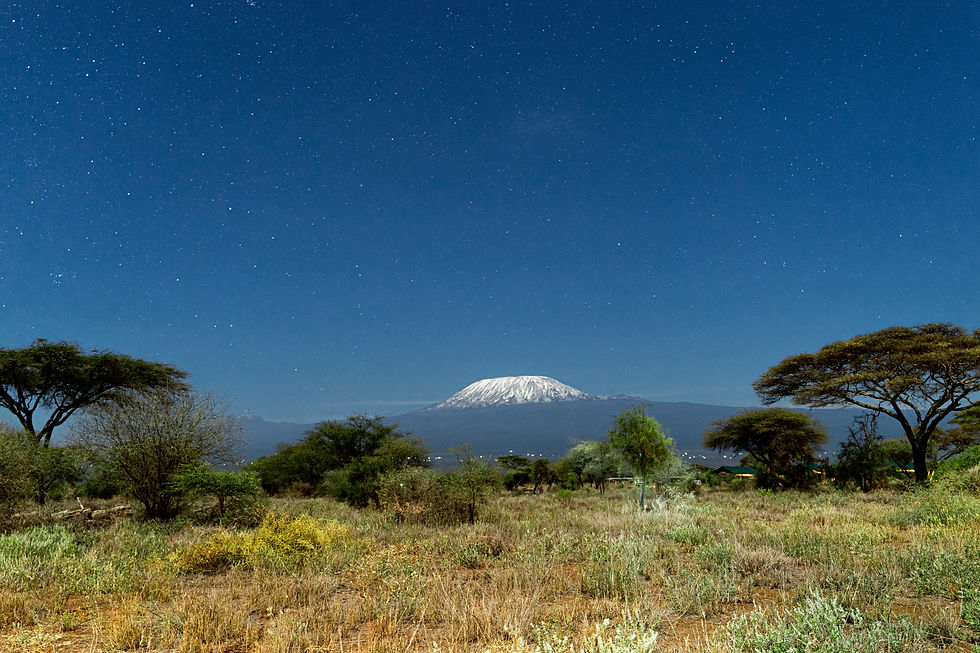
Rongai Route
A Scenic and Less Crowded Path to the Summit
The Rongai Route on Mount Kilimanjaro is one of the best options for climbers seeking a quieter, more remote trekking experience. Approaching Kilimanjaro from the mountain's northern side near the Kenyan border, the Rongai Route is known for its peaceful trails, diverse scenery, and drier weather conditions, making it an excellent choice for both first-time climbers and experienced trekkers.
Unlike the busier southern routes, the Rongai Route receives less foot traffic, allowing you to enjoy a more tranquil journey through lush rainforest, open moorlands, alpine desert, and breathtaking high-altitude landscapes. Because it lies on the leeward side of Mount Kilimanjaro, this route experiences less rainfall and offers more consistent hiking conditions throughout much of the year.
The Rongai Route is typically completed in 6 or 7 days, with the 7-day itinerary highly recommended for improved acclimatization and a greater chance of successfully reaching Uhuru Peak (19,341 feet / 5,895 meters), the highest point in Africa.
Your adventure begins with a scenic 3-hour drive from Moshi to the trailhead at 6,398 feet (1,950 meters). From there, you'll trek approximately 44–49 miles (72–79 kilometers) while gaining 12,943 feet (3,945 meters) in elevation before standing on the Roof of Africa.




6 Day Rongai Route
Day 1: Arrival and Pre-Climb Briefing Day
Our representative will pick you up at the airport and transfer you to Moshi for the overnight preparation of climbing the following day. Today has no planned activities, except to arrive at your lodge in time for a pre-climb briefing with your mountain guide.
Day 2: Nalemuru Gate to Simba Camp
Your Rongai Route Kilimanjaro adventure begins this morning when your expert mountain guide and support team meet you at your hotel for a comprehensive pre-trek briefing. After the orientation, you'll enjoy a scenic drive of approximately three hours to Nalemuru Gate, the northern entrance to Kilimanjaro National Park.
At the gate, your guide will assist with all park formalities, including securing your climbing permits and completing the required registration with the park's search and rescue service. Once everything is in order, it's time to begin your climb.
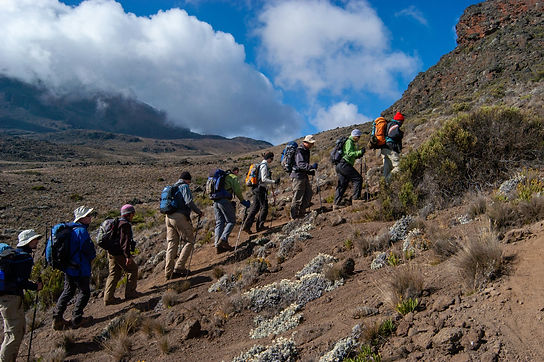
Today's hike is relatively short and moderately challenging, making it an ideal introduction to your Mount Kilimanjaro trek. The trail winds through beautiful montane pine forests on the mountain's quieter northern slopes before gradually transitioning into the heath and moorland zone. As you gain elevation, you'll begin to appreciate the peaceful surroundings and unique landscapes that make the Rongai Route one of Kilimanjaro's most scenic and less-crowded routes.
Walk at a comfortable, steady pace and avoid rushing. A slow ascent is one of the most important factors for successful acclimatization and increases your chances of reaching the summit later in the trek.
Upon arrival at Simba Camp, your mountain crew will have your tents pitched and a freshly prepared dinner waiting for you. Relax, enjoy the mountain atmosphere, and settle in for your first night beneath the stars on Africa's highest mountain.
-
Start Elevation: 2,020 m (6,627 ft)
-
End Elevation: 2,671 m (8,761 ft)
-
Elevation Gain: 651 m (2,134 ft)
-
Distance: 8 km (4.9 miles)
-
Hiking Time: 3–4 hours
-
Habitat: Montane pine forest to heath and moorland
Tips for Success
-
Hike slowly and maintain a consistent pace to aid acclimatization.
-
Drink plenty of water throughout the day to stay hydrated.
-
Keep your rain jacket and warm layers easily accessible, as mountain weather can change quickly.
-
Carry your water bottle, sunscreen, camera, and personal essentials in your daypack.
-
Watch for wildlife along the trail, including colorful birds and colobus monkeys.
-
For the best start to your climb, avoid alcohol and limit caffeine the evening before your trek.
Day 3: Simba Camp to Kikilewa Camp
Wake up to a hearty breakfast at Simba Camp before continuing your Rongai Route Kilimanjaro adventure toward Kikelewa Camp, your second high-altitude campsite on Africa's highest mountain.
Today's trek is more physically demanding than Day 1 as you gain nearly 1,000 meters (3,145 feet) in elevation. The trail leaves the heath zone behind and climbs through rugged moorlands and volcanic landscapes, offering a dramatic change in scenery. Along the way, you'll be rewarded with breathtaking views of Kibo, Kilimanjaro's highest volcanic cone, and the surrounding wilderness—weather permitting.
As the altitude increases, maintaining a slow, steady pace is essential. Following the famous Swahili phrase "pole pole" ("slowly, slowly") allows your body to acclimatize naturally while conserving energy for the days ahead. Be sure to drink plenty of water, eat regular snacks, and listen to your guide's advice throughout the climb.
Upon arriving at Kikelewa Camp, you'll have time to relax, take in the incredible mountain scenery, and continue the acclimatization process. Your mountain crew will prepare a nutritious dinner before you settle in for a restful night beneath Kilimanjaro's star-filled sky.
-
Start Elevation: 2,671 m (8,761 ft)
-
End Elevation: 3,630 m (11,906 ft)
-
Elevation Gain: 959 m (3,145 ft)
-
Distance: 10 km (6.2 miles)
-
Hiking Time: 5–6 hours
-
Habitat: Heath and moorland to alpine volcanic terrain
Tips for Success
-
Follow the "pole pole" philosophy—slow and steady is the key to successful acclimatization.
-
Stay hydrated by drinking water consistently throughout the day.
-
Eat your meals and trail snacks, even if your appetite decreases at higher elevations.
-
Keep a windbreaker and warm fleece within easy reach as temperatures become cooler with altitude.
-
Enjoy the changing landscapes and take advantage of photo opportunities with Kibo as your backdrop.
Day 4: Kikilewa Camp to Mawenzi Tarn Camp
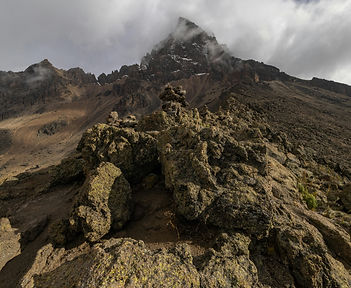
After an early breakfast, you'll continue your Rongai Route Kilimanjaro climb toward Mawenzi Tarn Camp, one of the most scenic campsites on Mount Kilimanjaro. Nestled beneath the towering, jagged spires of Mawenzi Peak—Kilimanjaro's second-highest volcanic cone—this camp offers spectacular alpine views and a true sense of the mountain's rugged beauty.
Today's trail climbs steadily through open alpine terrain as the vegetation becomes increasingly sparse and the landscape transforms into a dramatic high-altitude environment. With every step, you'll enjoy expansive views of both Mawenzi and Kibo, creating unforgettable photo opportunities along the way.
After arriving at Mawenzi Tarn Camp, you'll enjoy a freshly prepared lunch followed by time to relax and recover. Later in the afternoon, your guide will lead you on an important acclimatization hike, ascending approximately 200 meters (656 feet) before returning to camp.
Although this hike is relatively easy, it plays a vital role in helping your body adapt to the thinner air. Following the principle of "climb high, sleep low," acclimatization hikes improve your chances of reaching Uhuru Peak while reducing the risk of altitude sickness. These short hikes are one of the key reasons why longer Kilimanjaro itineraries often have higher summit success rates.
After returning to camp, enjoy a hearty dinner, take in the breathtaking mountain scenery, and settle in for another restful night under the stars.
-
Start Elevation: 3,630 m (11,906 ft)
-
End Elevation: 4,310 m (14,140 ft)
-
Elevation Gain: 680 m (2,234 ft)
-
Distance: 6 km (3.7 miles)
-
Additional Acclimatization Hike: Approximately 200 m (656 ft) elevation gain
-
Hiking Time: 4–5 hours, plus a 1–2 hour acclimatization hike
-
Habitat: Alpine moorland transitioning to a unique high-altitude landscape with rocky slopes and the dramatic volcanic spires of Mawenzi Peak
-
Tips for Success
-
Take the acclimatization hike seriously—it is one of the most effective ways to prepare for summit day.
-
Apply sunscreen and wear sunglasses, as UV exposure increases significantly at higher elevations.
-
Keep your windproof and waterproof outer layers easily accessible, as mountain weather can change rapidly.
-
Dress in warm layers, including a fleece jacket and beanie, especially during the evening.
-
Use trekking poles on the steeper sections to improve stability and reduce fatigue.
-
Continue drinking plenty of water and eating well to support acclimatization and recovery.
Day 5: Mawenzi Tarn Camp to Kibo Hut Camp
Today’s trek takes you toward Kibo Hut Camp, the final base camp before your summit attempt. As you ascend, the landscape transforms dramatically from alpine vegetation into a stark, rocky semi-desert environment beneath the towering summit of Kibo.
The hike itself is not technically difficult, but maintaining a slow and steady pace is essential. Conserving your energy today will be crucial, as the summit climb to Uhuru Peak begins later that night. Upon arrival at Kibo Hut, you’ll have time to rest, hydrate, and prepare for the final ascent.
A good night’s rest, avoiding unnecessary exertion, and drinking plenty of fluids are highly recommended before beginning the midnight climb toward Uhuru Peak (5,895 m / 19,341 ft), the highest point in Africa.
Elevation: 15,482 ft (4,720 m)
Hiking Time: 5–6 hours
Distance: 9 km (5.5 miles)
Habitat: Alpine Desert
Day 6: Kibo Hut Camp to Uhuru Peak and Descent to Horombo Camp
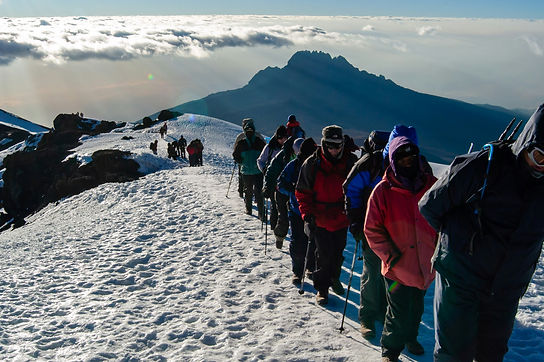
Summit day is the highlight of your Rongai Route Kilimanjaro adventure and the moment you've been preparing for. Your ascent begins shortly after midnight as you leave Kibo Hut Camp under a sky filled with stars, trekking by headlamp toward Uhuru Peak (5,895 m / 19,341 ft)—the highest point on Mount Kilimanjaro and the tallest peak in Africa.
Although the route is not technically difficult, the combination of steep terrain, freezing temperatures, and high altitude makes this the most physically and mentally demanding day of the expedition. Every step requires determination, patience, and perseverance. Following the familiar Swahili phrase "pole pole" ("slowly, slowly"), you'll maintain a steady pace while your experienced mountain guides carefully monitor your health and provide encouragement throughout the climb. Climbers are supported in small groups to ensure personalized attention and the safest possible summit experience.
As dawn breaks over East Africa, you'll reach Uhuru Peak, where breathtaking panoramic views and the iconic summit sign mark an achievement few people ever experience. On clear mornings, you may also have the opportunity to visit one of Kilimanjaro's remaining glaciers before beginning your descent.
After celebrating your accomplishment, you'll descend back to Kibo Hut Camp for a well-deserved rest and a hot meal. Following approximately two hours of recovery, you'll continue down to Horombo Camp, where a hearty dinner and a comfortable night's sleep await. Although the hardest part of the climb is behind you, the descent requires careful footing to protect your knees, toes, and muscles after a long day on the trail.
Reaching Uhuru Peak is more than standing on Africa's highest mountain—it's a life-changing accomplishment that rewards months of preparation, determination, and teamwork.
-
Start Elevation: 4,720 m (15,482 ft)
-
Summit Elevation: 5,895 m (19,341 ft)
-
End Elevation: 3,720 m (12,202 ft)
-
Total Distance: 21 km (13 miles)
-
Hiking Time: 12–14 hours
-
Habitat: Alpine desert to arctic summit zone with glaciers, descending to alpine moorland
Tips for Summit Day
-
Follow the "pole pole" pace—slow and steady is the key to a successful summit.
-
Dress in multiple warm layers, including insulated gloves, a winter hat, and a down jacket, as temperatures can drop well below freezing.
-
Stay close to your guide and communicate immediately if you experience symptoms of altitude sickness or feel unwell.
-
Drink water regularly and eat snacks whenever possible to maintain your energy.
-
Use trekking poles during the descent to reduce stress on your knees and improve stability.
-
Descend carefully and take your time—the downhill journey can be just as demanding as the ascent.
-
Day 7: Horombo Camp to Marangu Gate
After a well-earned night's rest, enjoy a hearty breakfast before beginning your final descent through the lush forests of Mount Kilimanjaro National Park. Today's hike marks the conclusion of your unforgettable Rongai Route Kilimanjaro adventure as you make your way to Marangu Gate, the park's official exit.
The trail gradually descends through beautiful montane forest, where you'll have one last opportunity to enjoy the sights and sounds of Kilimanjaro's diverse ecosystem. Take your time on the downhill sections, as the terrain can be challenging after the previous day's long summit climb. A steady, controlled pace will help protect your knees and allow you to fully appreciate your final hours on the mountain.
Upon arriving at Marangu Gate, your group will celebrate the successful completion of your climb. You'll sign the park guestbook, share stories from your journey, and receive your official Kilimanjaro Summit Certificate—a lasting reminder of your incredible achievement. This is also an opportunity to thank your dedicated mountain crew with gratuities in recognition of their hard work, professionalism, and support throughout your expedition.
After the celebrations, your driver will transfer you back to your hotel in Moshi, where you can enjoy a well-deserved hot shower, relax with family and friends, and celebrate reaching Uhuru Peak—the highest point in Africa and the fulfillment of an unforgettable adventure.
Congratulations! You have successfully climbed Mount Kilimanjaro and stood on the Roof of Africa.
-
Start Elevation: 3,720 m (12,202 ft)
-
End Elevation: 1,970 m (6,462 ft)
-
Elevation Loss: 1,750 m (5,740 ft)
-
Distance: 18 km (11.1 miles)
-
Hiking Time: 5–6 hours
-
Habitat: Montane forest
-
Tips for Your Final Descent
-
Descend at a steady, controlled pace to reduce strain on your knees and ankles.
-
Continue using your trekking poles for added stability on uneven terrain.
-
Stay hydrated, even though you're returning to lower elevations.
-
Keep your camera handy—you may spot monkeys, colorful birds, and other wildlife in the forest.
-
Celebrate your accomplishment and don't forget to thank your guides, cooks, and porters, whose expertise and dedication made your climb possible.
Day 8: Departure
Enjoy a relaxing morning at your hotel after your incredible Mount Kilimanjaro adventure. Take time to unwind, enjoy breakfast, and reflect on the unforgettable journey that brought you to the summit of Uhuru Peak, the highest point in Africa.
At the scheduled time, our driver will transfer you to Kilimanjaro International Airport (JRO) for your onward flight. If your adventure is continuing, we will coordinate your seamless transfer to begin your Tanzania safari, allowing you to experience even more of the country's spectacular wildlife and landscapes.
As your journey comes to an end, we hope you leave Tanzania with lifelong memories, new friendships, and the pride of conquering the Roof of Africa.
Estimate
$1850



7 Day Rongai Route
Estimate
$2250
Day 1: Arrival
Day 2: Nalemuru Gate to Simba Camp
Day 3: Simba Camp to Second Cave Camp
After an early breakfast at Simba Camp, you'll continue your Rongai Route Kilimanjaro trek toward Second Cave Camp, your second overnight stop on Africa's highest mountain. Today's hike is relatively short and gentle, allowing your body to continue adjusting to the increasing altitude while enjoying the peaceful beauty of Kilimanjaro's northern slopes.
The trail gradually ascends through open heath and moorland, offering sweeping views of the surrounding wilderness and, on clear days, spectacular vistas of Kibo, Kilimanjaro's highest volcanic cone. With a moderate pace and minimal elevation gain, today's trek is designed to support proper acclimatization rather than test your endurance.
Upon arriving at Second Cave Camp (3,450 m / 11,319 ft), you'll enjoy a freshly prepared lunch followed by time to relax and take in the stunning mountain scenery. Later in the afternoon, your guide will lead you on an important acclimatization hike toward Kikelewa Camp, gaining approximately 100 meters (328 feet) in elevation before returning to Second Cave Camp.
This "climb high, sleep low" strategy is one of the most effective ways to help your body adapt to higher elevations. The acclimatization hike may feel easy, but it plays a critical role in improving your chances of a successful summit while reducing the risk of altitude sickness.
After returning to camp, enjoy a hearty dinner prepared by your mountain crew before settling in for another peaceful night beneath Kilimanjaro's star-filled sky.
-
Start Elevation: 2,671 m (8,761 ft)
-
End Elevation: 3,450 m (11,319 ft)
-
Elevation Gain: 779 m (2,556 ft)
-
Distance: Approximately 6 km (3.7 miles)
-
Hiking Time: Approximately 3 hours
-
Additional Acclimatization Hike: 100 m (328 ft) elevation gain toward Kikelewa Camp
-
Habitat: Heath and moorland
-
Day 4: Second Cave Camp to Kikilewa Camp
After breakfast, you'll continue your Rongai Route Kilimanjaro trek to Kikelewa Camp (3,630 m / 11,906 ft). Although today's hike is relatively short, you'll continue gaining elevation as the landscape transitions into a more rugged alpine environment. Along the way, enjoy breathtaking views of Kibo, Kilimanjaro's highest volcanic cone, weather permitting.
The trail gradually climbs through open moorland and volcanic terrain, offering spectacular panoramic views and a peaceful atmosphere away from the busier southern routes. Walking at a slow, steady pace (pole pole) remains essential as your body continues adapting to the increasing altitude.
Upon arriving at Kikelewa Camp, you'll enjoy a freshly prepared lunch followed by time to rest and recover before the next stage of your adventure. This lighter trekking day is intentionally designed to promote acclimatization, helping improve your chances of a successful summit later in the expedition.
After dinner, your lead mountain guide will conduct a routine health check for each climber, monitoring your acclimatization and overall well-being. Your guide will also provide a briefing on the following day's trek to Mawenzi Tarn Camp, ensuring you're well prepared for the higher elevations ahead.
Enjoy another peaceful evening beneath Kilimanjaro's star-filled skies as you continue your journey toward Africa's highest peak.
-
Start Elevation: 3,450 m (11,319 ft)
-
End Elevation: 3,630 m (11,906 ft)
-
Elevation Gain: 180 m (591 ft)
-
Distance: Approximately 6 km (3.7 miles)
-
Hiking Time: 3–4 hours
-
Habitat: Heath and moorland transitioning to alp
Day 5: Kikilewa Camp to Mawenzi Tarn Camp
After an early breakfast, you'll begin your trek toward one of the most spectacular campsites on the Rongai Route Kilimanjaro itinerary: Mawenzi Tarn Camp (4,315 m / 14,156 ft). Located at the base of Mawenzi Volcano, Kilimanjaro's second-highest peak, this dramatic alpine campsite offers some of the most impressive scenery on the mountain.
Today's hike takes you deeper into Kilimanjaro's high-altitude environment as the landscape becomes more rugged and the vegetation becomes increasingly sparse. The trail climbs steadily through the alpine zone, with incredible views of Mawenzi's jagged volcanic ridges and, weather permitting, panoramic views of Kibo Peak rising above the surrounding landscape.
Upon arrival at Mawenzi Tarn Camp, you'll enjoy a well-earned lunch followed by approximately two hours of rest. This recovery period is an important part of your acclimatization process and allows your body to adjust before the next stage of your climb.
Later in the afternoon, your guide will lead you on an acclimatization hike toward Mawenzi Volcano, gaining approximately 200 meters (656 feet) in elevation before returning to camp. This short "climb high, sleep low" hike is designed to help your body adapt to the thinner air and prepare for the higher elevations ahead.
After returning to Mawenzi Tarn Camp, enjoy dinner and relax in the peaceful surroundings of this unique high-altitude location. With Mawenzi's towering rock formations surrounding the camp, this is one of the most memorable nights of your Kilimanjaro journey.
-
Start Elevation: 3,630 m (11,906 ft)
-
End Elevation: 4,315 m (14,156 ft)
-
Elevation Gain: 685 m (2,250 ft)
-
Hiking Time: 4–5 hours
-
Habitat: Alpine desert and high-altitude volcanic landscape
Day 6: Mawenzi Tarn Camp to Kibo Camp
Day 7: Uhuru Peak Summit Attempt and Descent to Horombo Hut
Day 8: Final Descent to Marangu Gate
Day 9: Departure
Why Choose the Rongai Route?
-
Less crowded than most Kilimanjaro routes for a more peaceful trekking experience
-
Drier climate with less precipitation than the southern routes
-
Gradual ascent that supports better acclimatization
-
Excellent option for climbing Mount Kilimanjaro during the rainy seasons
-
Spectacular views of Kenya's plains and Kilimanjaro's northern wilderness
-
High summit success rates, especially on the recommended 7-day itinerary
-
A unique opportunity to experience one of Kilimanjaro's most scenic and remote approaches
If you're looking for a less crowded Kilimanjaro climb, the Rongai Route combines stunning scenery, a gradual ascent, and favorable weather conditions to create an unforgettable adventure. Whether you're climbing Mount Kilimanjaro for the first time or returning to explore a different side of Africa's highest mountain, the Rongai Route offers an exceptional trekking experience from start to summit.
Important Altitude Tips
-
Drink more than 4 liters of bottled water throughout the day. Sip small amounts frequently rather than drinking large quantities at once to stay well hydrated.
-
To help reduce the risk of altitude sickness, you may wish to consider taking a preventive medication recommended for high-altitude travel. Many climbers take this medication in the morning before beginning their ascent. Your travel consultant will provide more detailed information with your final travel itinerary. We also recommend consulting your doctor before your trip to determine whether this medication is appropriate for you and to discuss any allergies or other health considerations.
-
It is normal to experience some discomfort while sleeping at high altitude. Mild headaches, nausea, and changes in sleep patterns are common as your body adjusts to the elevation. However, if you experience any symptoms of altitude sickness, notify your guide immediately so they can assess your condition and provide appropriate assistance.